
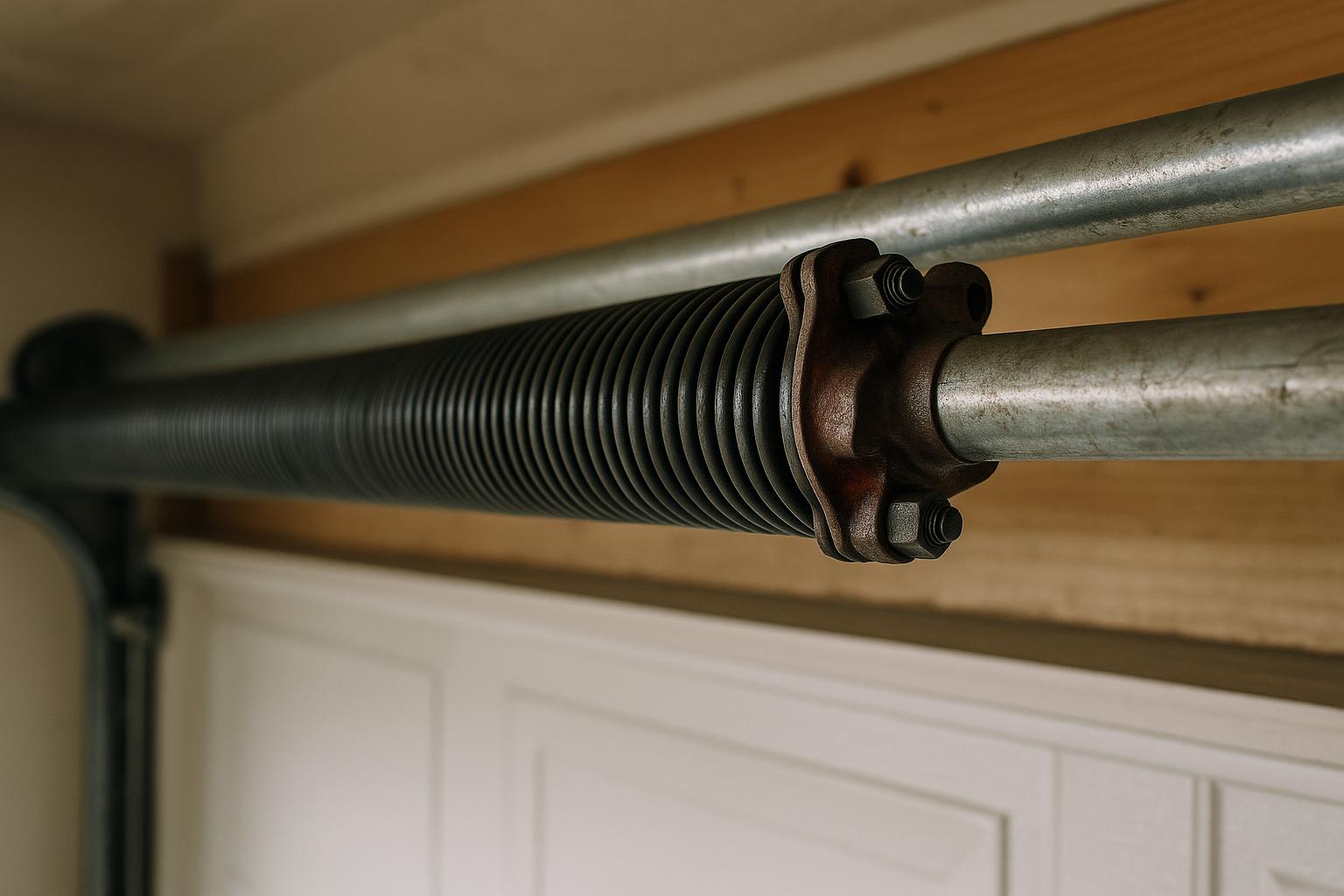
Your Garage Door Springs Are Doing More Work Than You Think
Most homeowners don't think much about their garage door springs — until one breaks. Then it becomes very obvious just how important they are. Those tightly wound springs are responsible for counterbalancing the full weight of your garage door, which can be anywhere from 130 to 350 pounds depending on the material and size. Without functioning springs, your garage door opener can't lift the door, and neither can you.
If you live in Columbia and use your garage door multiple times a day — which most families do — your springs are under constant stress. Understanding their lifespan, the warning signs of failure, and when to call for replacement can save you from an inconvenient (and potentially dangerous) situation.
How Long Do Garage Door Springs Last?
The lifespan of a garage door spring is measured in cycles. One cycle equals one full open and one full close. Most standard torsion springs are rated for about 10,000 cycles. If your household opens and closes the garage door four times a day, that works out to roughly seven to nine years of use.
However, several factors can shorten or extend that timeline:
- Frequency of use: A busy household with multiple drivers may cycle the door six to eight times daily, cutting the spring's life significantly.
- Climate: Temperature swings in the Columbia, MD area — hot summers and cold winters — cause the metal to expand and contract, which accelerates wear over time.
- Maintenance: Springs that are regularly lubricated and inspected tend to last longer than those that are neglected.
- Spring quality: Higher-cycle springs (rated for 20,000 or even 30,000 cycles) are available and can last considerably longer, though they cost more upfront.
If your garage door springs are approaching the seven-year mark and you've never had them inspected, it's a good idea to have a professional take a look.
Warning Signs Your Springs Are Wearing Out
Springs rarely fail without some advance warning. Here are the most common signs that your garage door springs are nearing the end of their life:
The Door Feels Heavier Than Usual
Try disconnecting the opener and lifting the door manually. A properly balanced garage door should lift with relatively little effort and stay open about three to four feet off the ground. If the door feels unusually heavy or slams down when you let go, the springs are losing tension.
The Door Opens Unevenly or Crooked
If one spring is weaker than the other — or if one has already broken — the door may rise unevenly, with one side higher than the other. This puts extra strain on the opener and the tracks and should be addressed immediately.
Visible Gaps in the Spring
Torsion springs are mounted on a shaft above the door. If you look up and see a visible gap or separation in the coils, the spring has already snapped. Do not attempt to operate the door.
Loud Bang From the Garage
Many homeowners in Columbia have told us they heard a loud bang — almost like a gunshot — coming from the garage. That sound is often a spring breaking under tension. If this happens, check the springs before trying to use the door.
The Opener Struggles or Stops
When springs lose their ability to counterbalance the door's weight, the opener has to work much harder. You may notice it straining, moving more slowly, or stopping partway through the cycle. Continuing to run the opener in this condition can burn out the motor.
Can You Replace Garage Door Springs Yourself?
We understand the appeal of DIY projects, but garage door spring replacement is one job we strongly recommend leaving to professionals. Here's why:
- Extreme tension: Torsion springs are wound under tremendous force. A spring that releases unexpectedly can cause serious injury.
- Specialized tools: Proper replacement requires winding bars, clamps, and other tools that most homeowners don't have.
- Balancing: Springs need to be precisely calibrated to the weight of your specific door. An improperly tensioned spring will cause the door to operate erratically and can damage other components.
A trained technician can complete a spring replacement safely in about an hour, and the peace of mind is well worth the investment.
Should You Replace Both Springs at Once?
If your garage door has two torsion springs and only one has broken, you might wonder whether it's worth replacing both. Our recommendation is yes — replace both springs at the same time. Here's the reasoning:
- Both springs were installed at the same time and have experienced the same number of cycles. If one has failed, the other is likely close behind.
- Replacing both at once saves you from paying for a second service call in a few months.
- New springs on both sides ensure the door is evenly balanced, which protects your opener and extends the life of the entire system.
Upgrading to High-Cycle Springs
If you're tired of dealing with spring replacements every seven to nine years, ask about high-cycle springs. These are made from higher-grade steel and are rated for 20,000 to 30,000 cycles or more. For families in Columbia and surrounding areas like Ellicott City, Elkridge, and Laurel who use their garage doors heavily, high-cycle springs can be a smart long-term investment.
The upfront cost is higher, but when you factor in fewer replacements and fewer service calls over the life of the door, many homeowners find it's the more economical choice.
How Regular Maintenance Extends Spring Life
One of the easiest things you can do to get the most out of your garage door springs is to keep up with basic maintenance:
- Lubricate the springs with a silicone-based spray every six months. This reduces friction and helps prevent rust.
- Schedule an annual inspection with a garage door technician who can check spring tension, balance, and overall condition.
- Listen for changes in how the door sounds. Squeaking, grinding, or popping noises can indicate that springs or other hardware need attention.
A little preventive care goes a long way toward avoiding an unexpected breakdown — especially on a freezing January morning when you're trying to get to work.
When It's Time, Call a Local Pro You Can Trust
At Columbia Overhead Door Co, we've replaced thousands of garage door springs for homeowners throughout Columbia, Clarksville, Fulton, and the surrounding communities. We show up on time, explain exactly what's going on with your springs, and give you honest recommendations — whether that means a straightforward replacement or an upgrade to longer-lasting hardware.
If your garage door is showing any of the warning signs above, or if your springs are more than seven years old, don't wait for a full failure. Give us a call and we'll make sure your door is safe, balanced, and ready to go.