
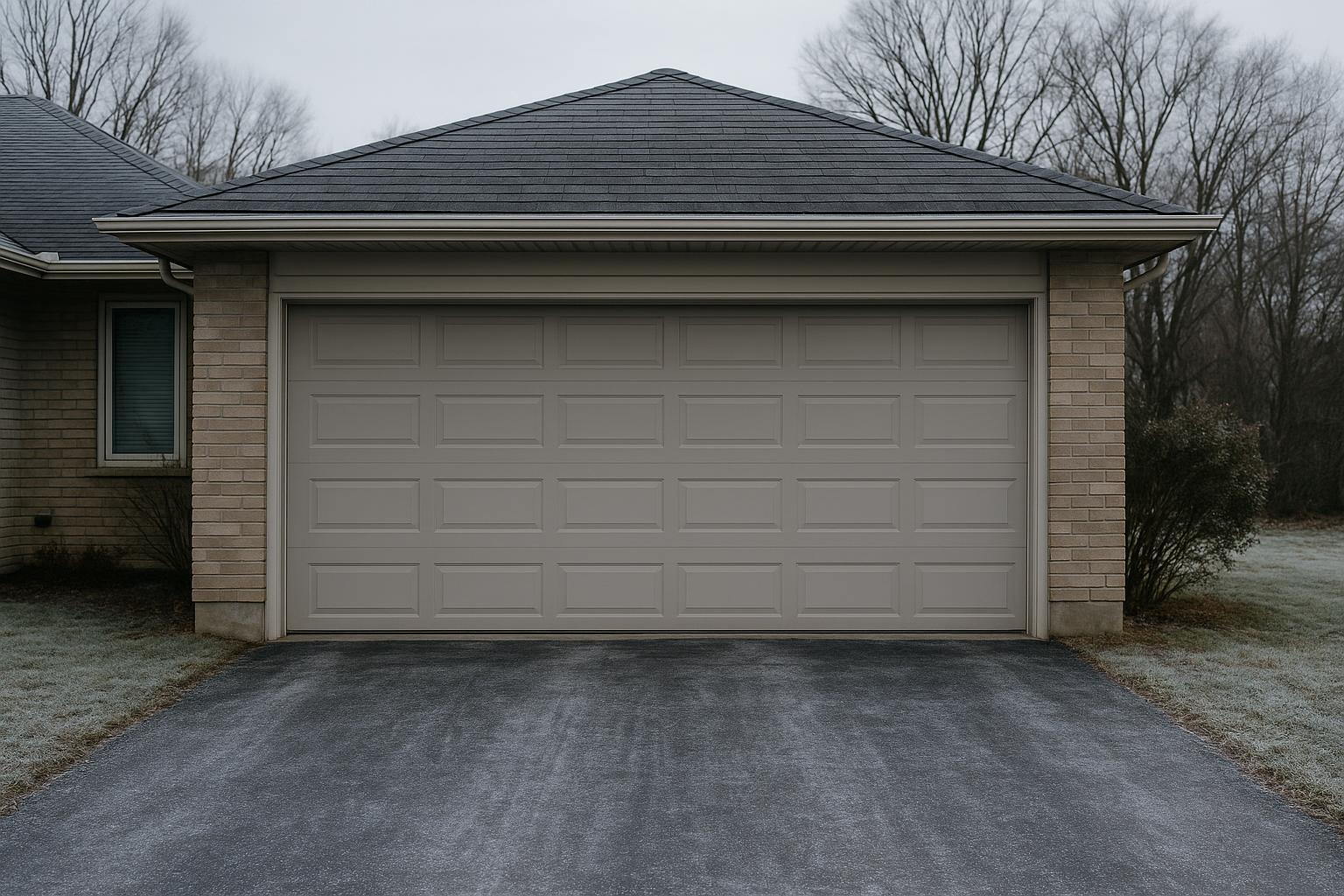
Winter Takes a Toll on Your Garage Door
When temperatures drop in Columbia, MD, most homeowners think about their heating system, their pipes, and maybe their driveway. But there's one part of your home that takes a serious beating in cold weather and rarely gets the attention it deserves: your garage door.
Your garage door is the largest moving part of your home. It has metal springs under extreme tension, a motorized opener working against gravity, and weatherstripping that's supposed to keep the elements out. When winter arrives, every one of those components is affected. The good news is that most cold-weather garage door problems are preventable — if you know what to look for.
Metal Contracts in the Cold
This is basic physics, but it has real consequences for your garage door. When temperatures drop, the metal components in your door system — springs, tracks, hinges, and rollers — contract slightly. That small change can create big problems.
Contracted metal means tighter tolerances. Rollers may not glide as smoothly in the tracks. Hinges can feel stiff. And most importantly, your torsion springs lose some of their flexibility. A spring that was perfectly calibrated in September may not provide enough lifting force in January, which puts extra strain on your garage door opener.
What You Can Do
- Listen for unusual grinding or squealing sounds when the door operates — this often signals that metal parts need lubrication.
- Apply a silicone-based garage door lubricant to springs, hinges, rollers, and tracks before the coldest months hit. Avoid WD-40, which is a solvent, not a long-term lubricant.
- If the door feels noticeably heavier or your opener is straining, call a professional before the opener motor burns out.
Garage Door Springs Are More Vulnerable in Winter
Garage door springs are already under tremendous tension every day of the year. In cold weather, the steel becomes more brittle and less elastic. This is why spring failures spike during the winter months. A spring that was nearing the end of its lifespan might survive through fall but snap on the first truly cold morning.
A broken spring is more than an inconvenience — it can be dangerous. The door becomes extremely heavy without spring assistance, and attempting to open it manually or with the opener can cause damage or injury.
What You Can Do
- Have your springs inspected before winter. A trained technician can assess remaining lifespan and tension balance.
- If your springs are more than seven to ten years old, consider proactive replacement. It's far less expensive and disruptive than an emergency call when your car is trapped in the garage on a freezing morning.
- Never attempt to adjust or replace torsion springs yourself. This is one of the most dangerous DIY projects a homeowner can attempt.
Weatherstripping Cracks and Fails
The rubber weatherstripping along the bottom of your garage door and around the frame is designed to seal out rain, wind, and cold air. But rubber hardens and cracks over time, and cold weather accelerates that process. Once your weatherstripping fails, you'll notice cold drafts in the garage, higher energy bills, and possibly moisture or pest intrusion.
For homeowners in Columbia and surrounding areas like Ellicott City and Elkridge, where winter temperatures regularly dip below freezing, damaged weatherstripping can also allow water to seep under the door and freeze overnight. That ice buildup can literally freeze your door to the garage floor.
What You Can Do
- Inspect the bottom seal and side seals visually. Look for cracks, gaps, flattened sections, or pieces that have pulled away from the door.
- Replace worn weatherstripping before winter. It's an affordable fix that pays for itself in energy savings and prevented damage.
- If your door is frozen to the floor, do not repeatedly hit the opener button. This can strip gears or burn out the motor. Instead, carefully break the ice seal with a flat shovel or use a heat source to melt it.
Your Garage Door Opener Works Harder in the Cold
Your garage door opener doesn't just push a button and let magic happen. It's an electric motor connected to a drive system that physically lifts and lowers a very heavy door. When cold weather makes springs less effective, thickens lubricant, and stiffens moving parts, the opener has to compensate for all of it.
This extra strain can cause several problems. The opener may move the door more slowly. It may struggle to fully open or close the door. In some cases, the motor overheats and the thermal protection shuts it down temporarily. Over time, this repeated strain shortens the life of the opener significantly.
What You Can Do
- Keep the garage door system well-lubricated so the opener doesn't have to fight unnecessary friction.
- If your opener is more than ten to fifteen years old and already showing signs of strain, winter is the worst time for it to fail. Consider upgrading to a newer, more powerful model with a belt drive system, which handles cold weather better than older chain drives.
- Make sure the opener's force settings are properly adjusted. A technician can calibrate these so the opener works efficiently without overexerting itself.
Concrete Shifts and Track Alignment Changes
Here's one that surprises many homeowners. The concrete floor and walls of your garage can shift slightly with freeze-thaw cycles. In the Laurel, Clarksville, and Fulton areas, where soil conditions vary and winter moisture is common, this ground movement can cause your garage door tracks to fall out of alignment.
Misaligned tracks force the door to work against itself. You might notice the door wobbling, making scraping noises, or getting stuck partway up or down. Left uncorrected, track misalignment causes premature wear on rollers, hinges, and the opener.
What You Can Do
- Visually inspect your tracks for gaps between the rollers and the rail, or sections where the track appears bent or shifted.
- Do not attempt to adjust tracks yourself if the door is under spring tension. This requires professional tools and knowledge.
- Schedule a maintenance visit if you notice any change in how smoothly the door travels.
A Winter Maintenance Checklist for Columbia Homeowners
The best way to avoid cold-weather garage door problems is to prepare before the worst of winter arrives. Here's a quick checklist:
- Lubricate all moving parts with a silicone-based garage door lubricant.
- Inspect and replace cracked or worn weatherstripping.
- Test the door's balance by disconnecting the opener and lifting the door manually to the halfway point. It should stay in place. If it falls or rises, the springs need adjustment.
- Check tracks for alignment and debris.
- Test the auto-reverse safety feature by placing a board under the door.
- Schedule a professional maintenance inspection if it's been more than a year.
Don't Wait for a Breakdown
At Columbia Overhead Door Co, we see a sharp increase in emergency repair calls every winter. Most of those calls could have been prevented with a simple maintenance visit in the fall. We serve homeowners and businesses throughout Columbia, Ellicott City, Elkridge, Laurel, Clarksville, and Fulton — and we'd much rather help you prepare for winter than rescue you from a frozen, broken garage door on the coldest day of the year.
If your garage door is showing any signs of cold-weather stress — slow operation, unusual noises, visible wear on springs or seals — give us a call. We'll show up on time, explain what we find honestly, and get your door ready for whatever winter throws at it.